
Pathogenic molds are mold species that can cause infections, particularly in people with compromised immune systems, chronic illnesses, or those recovering from surgery. Healthy individuals are typically at lower risk.
Certain species of Aspergillus and Penicillium are commonly associated with opportunistic infections affecting the lungs, sinuses, or skin.

While many molds are primarily allergenic, certain species are considered pathogenic under specific conditions.

A gray-green mold commonly found in indoor and outdoor environments. In immunocompromised individuals, it may contribute to respiratory infections.

Often blue-green in appearance. While commonly allergenic, certain species may cause respiratory or sinus infections in susceptible individuals.
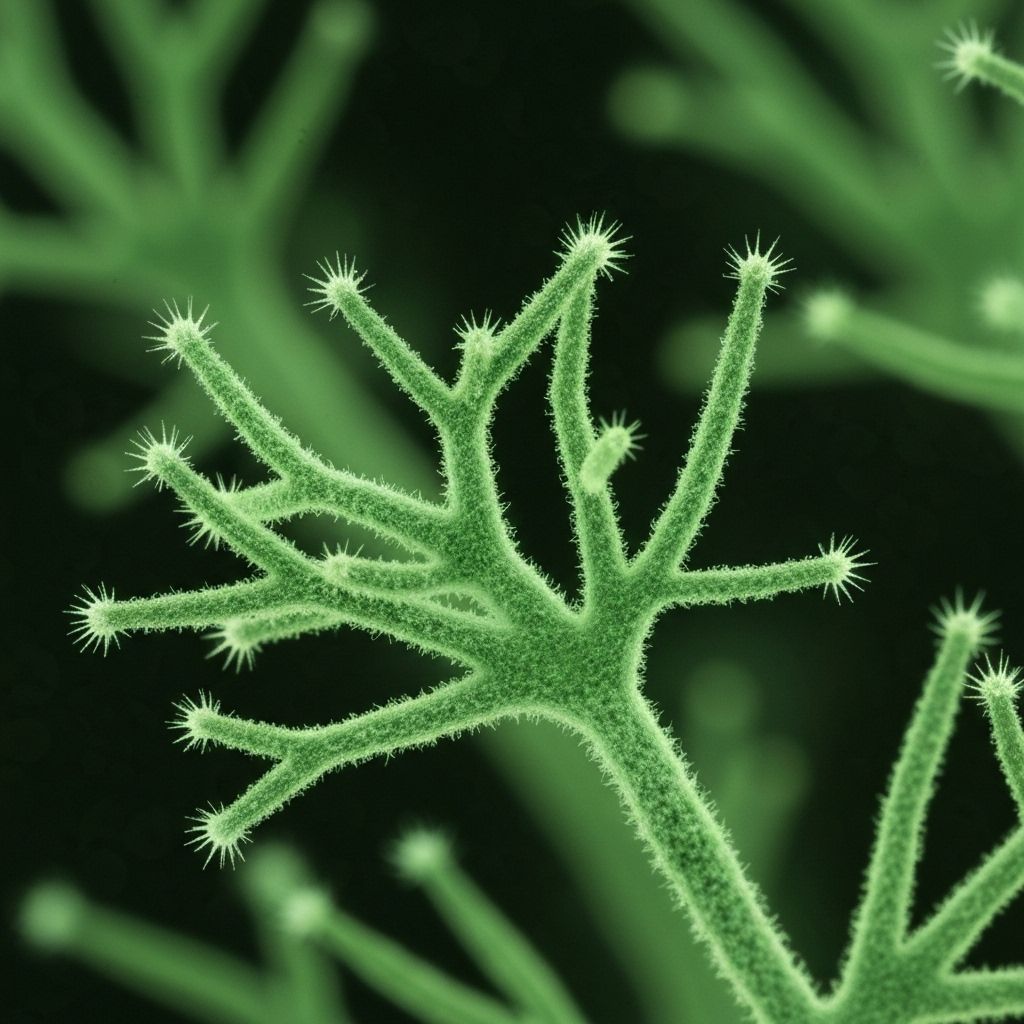
Various species within this genus are found indoors. Some may be associated with sinus or lung infections in vulnerable populations.
Mold growth requires moisture and organic material. Common indoor problem areas include:
Water Damage & Leaks
Areas affected by roof leaks, plumbing issues, window failures, or flooding.
HVAC Systems
Air handlers, duct interiors, condensation pans, and filters can harbor mold if moisture is present.
Hidden Spaces
Behind drywall, beneath flooring, inside crawl spaces, and in attics where ventilation is limited.
Porous Materials
Drywall, carpet padding, insulation, wallpaper, and wood framing provide organic material for mold growth.

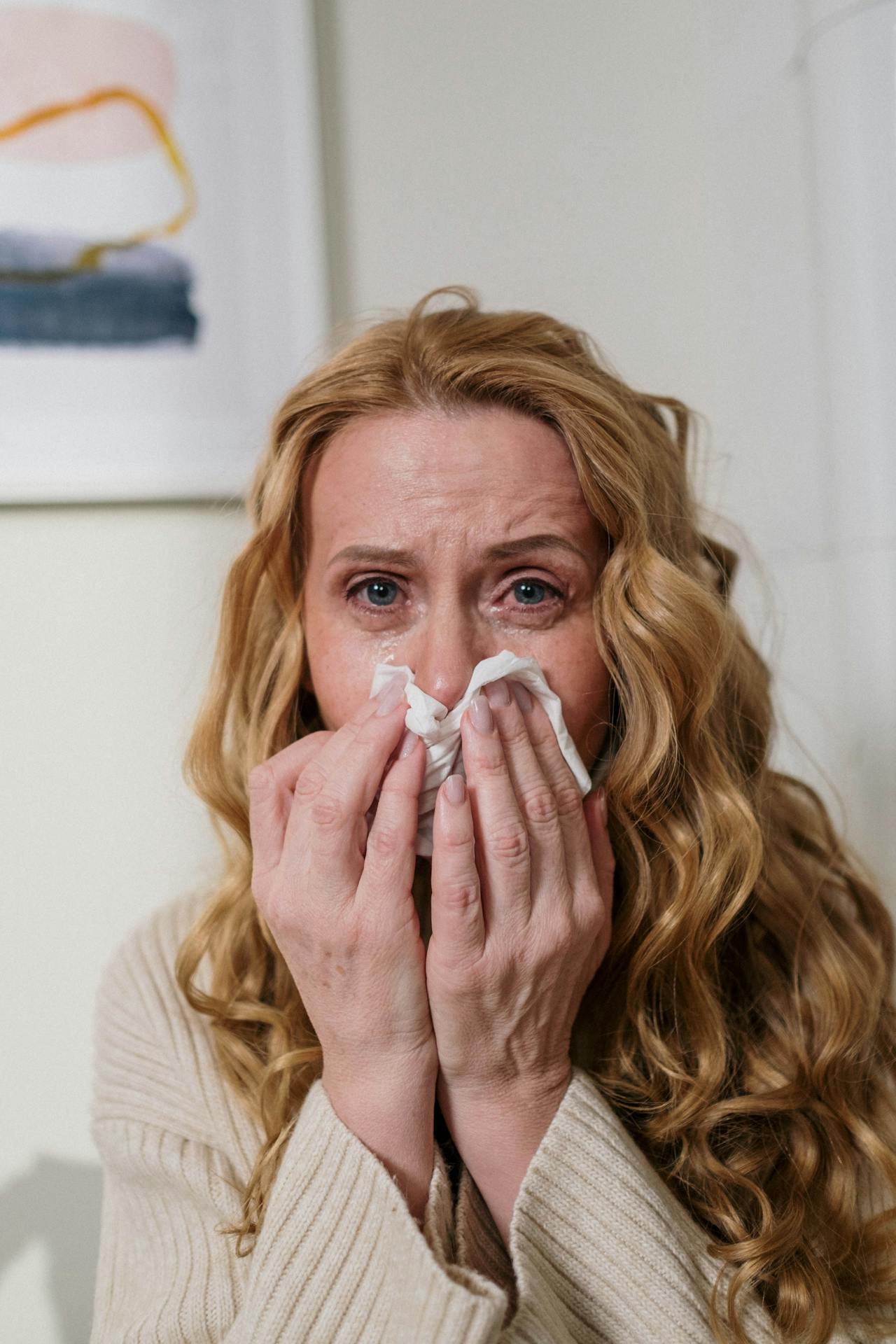
Controlling moisture is the single most important factor in preventing mold growth.
Maintain indoor humidity below 50%
Use exhaust fans in bathrooms and kitchens
Ensure proper ventilation throughout the home
Clean and maintain HVAC systems regularly
Remove visible mold growth promptly
Get clear, lab-verified answers from a licensed New Jersey inspector who puts facts first not sales. Book your inspection and move forward with confidence.