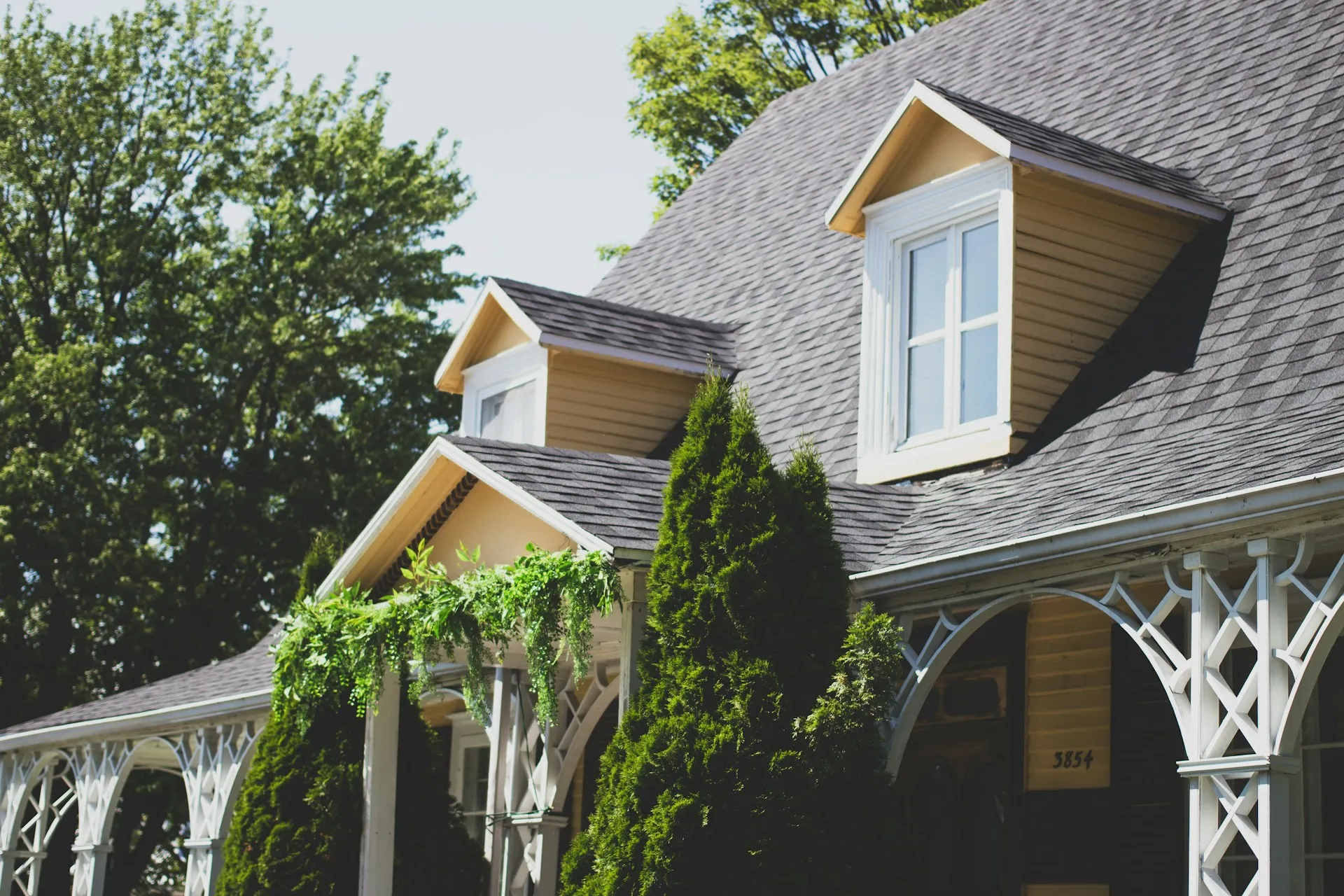
“Toxic mold” is a general term used to describe mold species that can produce mycotoxins. Mycotoxins are chemical compounds that some molds may release under certain conditions, particularly when growing on damp, cellulose-based materials.

Some species that are often discussed in relation to mycotoxins include:
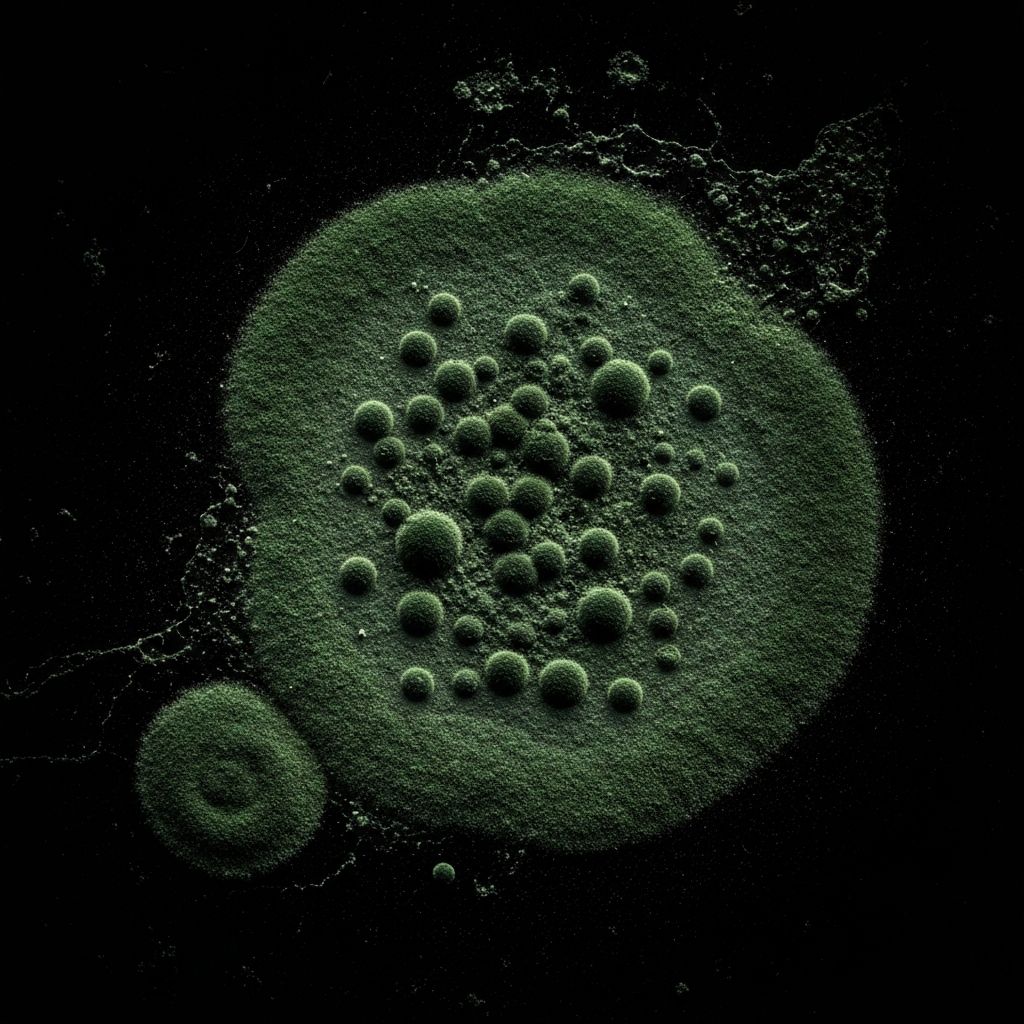
Commonly referred to as “black mold.” Typically grows on water-damaged cellulose materials such as drywall, ceiling tiles, and wood. Requires persistent moisture.
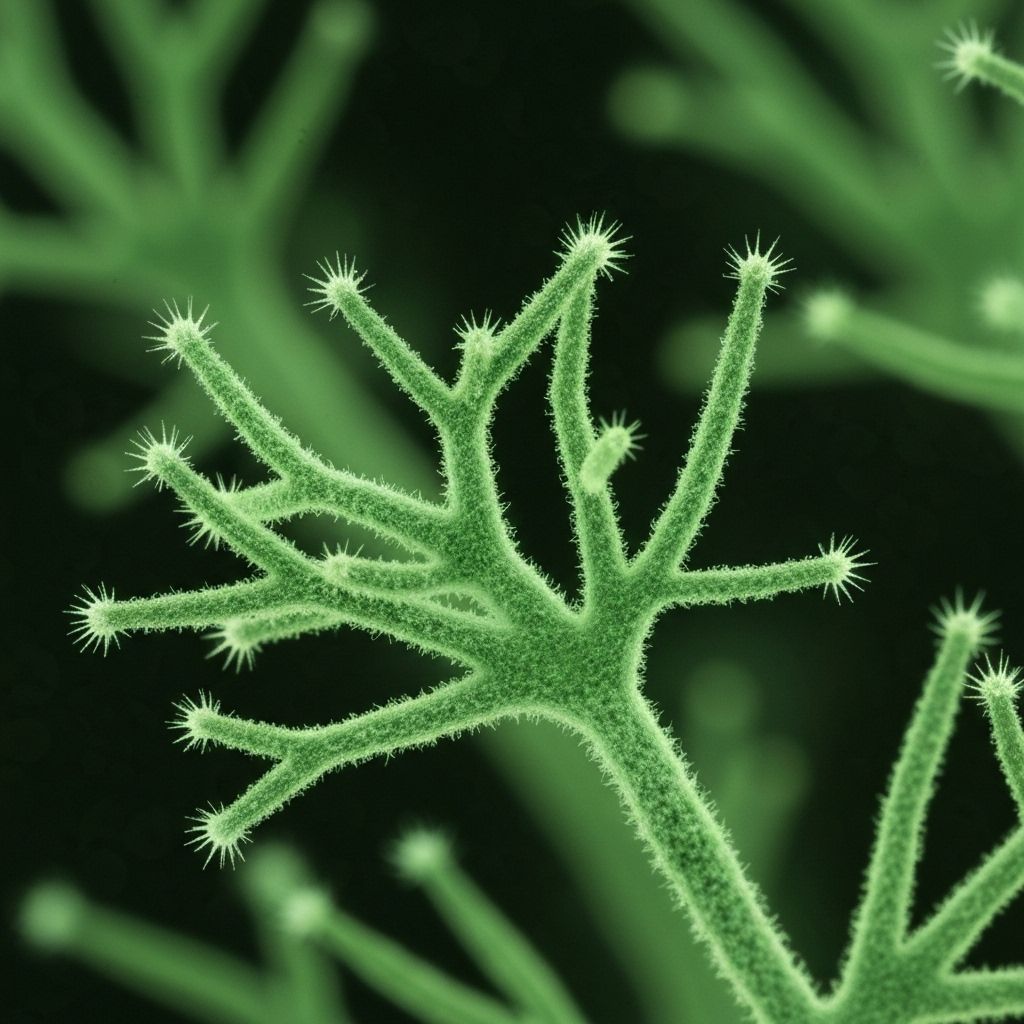
A yellow-green mold species that may produce sterigmatocystin under certain conditions.
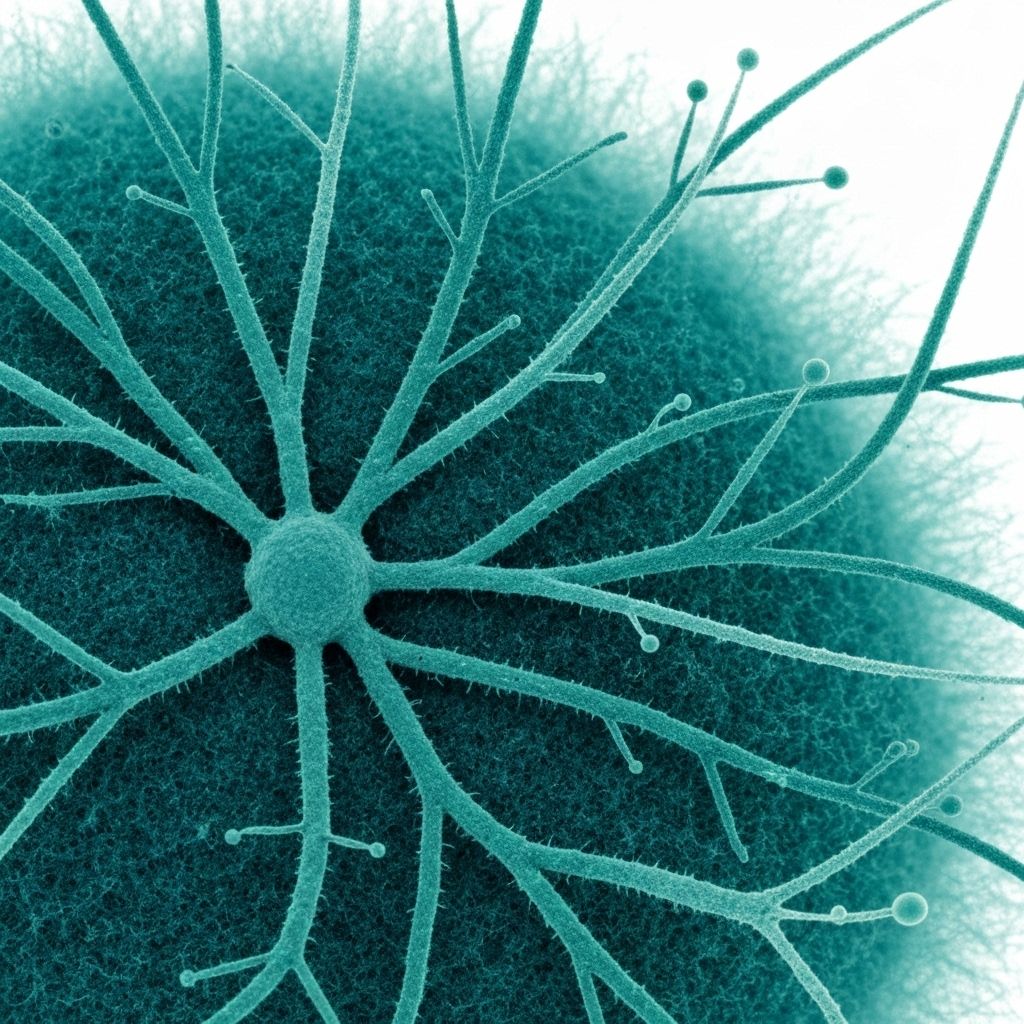
Some species may produce ochratoxin or other mycotoxins when growing in damp indoor environments.
Toxic mold species require the same basic conditions as other molds:
Water Damage & Leaks
Areas affected by roof leaks, plumbing issues, window failures, or flooding.
HVAC Systems
Air handlers, duct interiors, condensation pans, and filters can harbor mold if moisture is present.
Hidden Spaces
Behind drywall, beneath flooring, inside crawl spaces, and in attics where ventilation is limited.
Porous Materials
Drywall, carpet padding, insulation, wallpaper, and wood framing provide organic material for mold growth.


Controlling moisture is the single most important factor in preventing mold growth.
Maintain indoor humidity below 50%
Use exhaust fans in bathrooms and kitchens
Ensure proper ventilation throughout the home
Clean and maintain HVAC systems regularly
Remove visible mold growth promptly
Get clear, lab-verified answers from a licensed New Jersey inspector who puts facts first not sales. Book your inspection and move forward with confidence.